
March 21 8:00 pm
Part of Bach’s Birthday Bash Weekend
Worcester Chamber Music Society, featuring their pianist Randall Hodgkinson, delivers an exquisite rendition of J.S. Bach’s Musical Offering, alongside two other works written for the configuration. The chamber ensemble takes the stage for this beautiful, intimate performance, bringing their tight-knit artistry to this music written for celebration.
Italian Concerto, BWV 971
Toccata in F# minor, BWV 910
Musical Offering, BWV 1079



Italian Concerto
BWV 971
Toccata in F# minor
BWV 910
Musical Offering
BWV 1079
Bach’s Musical Offering is a collection of keyboard works based on thematic material provided to Bach by Frederick the Great. Written as a celebratory work, this piece introduces a six voice fugue played across instruments. This program also features Bach’s Italian Concerto and Toccata in F sharp minor. The latter is one of seven toccatas for keyboard without pedal, and is intricate and expansive. The key of f sharp minor was less commonly used at the time, and was seen as dark, passionate, and moody. In contrast, the Italian Concerto was written as a solo concerto to imitate the grandness of a full ensemble. Bach used elaborate ornamentation, well-designed cadences, and a balance of showiness and rule-following in composition, allowing the Italian Concerto to be seen as the “ideal solo concerto”.
Please note: program, venue, time, and artist are subject to change.
Bach's Birthday Bash Weekend Program
Artists
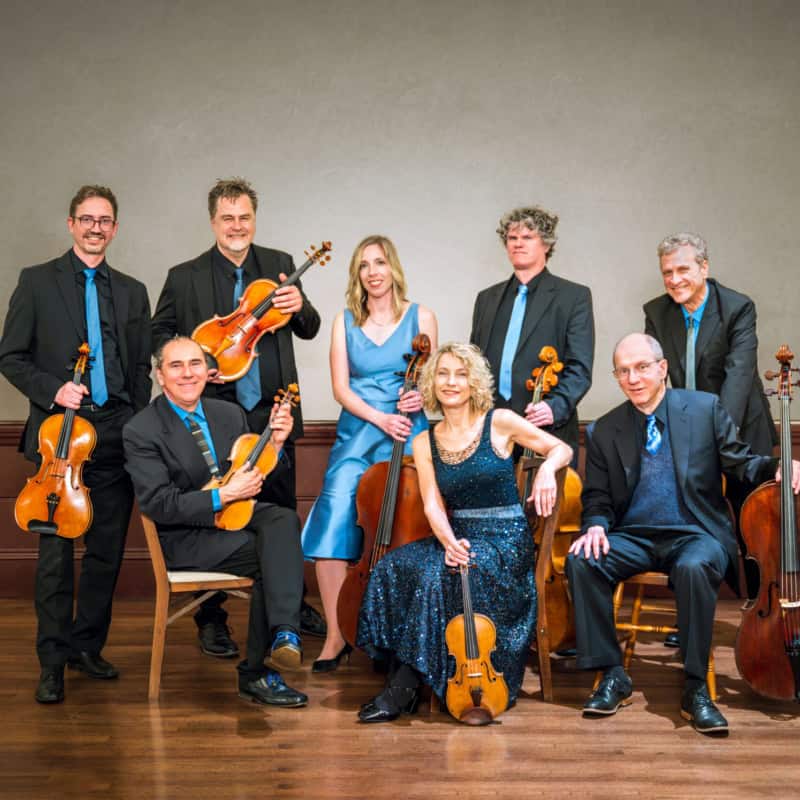
Worcester Chamber Music Society
Ensemble
“Through the years the Chamber Music Society has crafted thoughtful, innovative and interesting programs, and its playing has become so effortless, so technically virtuosic and so musically expressive…., they have become one of the most loved and admired treasures in our musical community.” (John Zeugner, Worcester Telegram and Gazette)
Hailed as a group with imagination, style and chops, the Worcester Chamber Music Society took the Worcester, Massachusetts scene by storm with its initial concert in 2006. It has become a recognized cultural presence within the Greater Worcester area by presenting sold-out concerts to captivated audiences, receiving consistent critical acclaim, building new young audiences, and training rising musicians through both its Neighborhood Strings and Summer Music Camp programs. WCMS brings world-class chamber music to intimate Greater Worcester venues. WCMS nurtures the community through a unique combination of affordable concerts, education and community engagement.
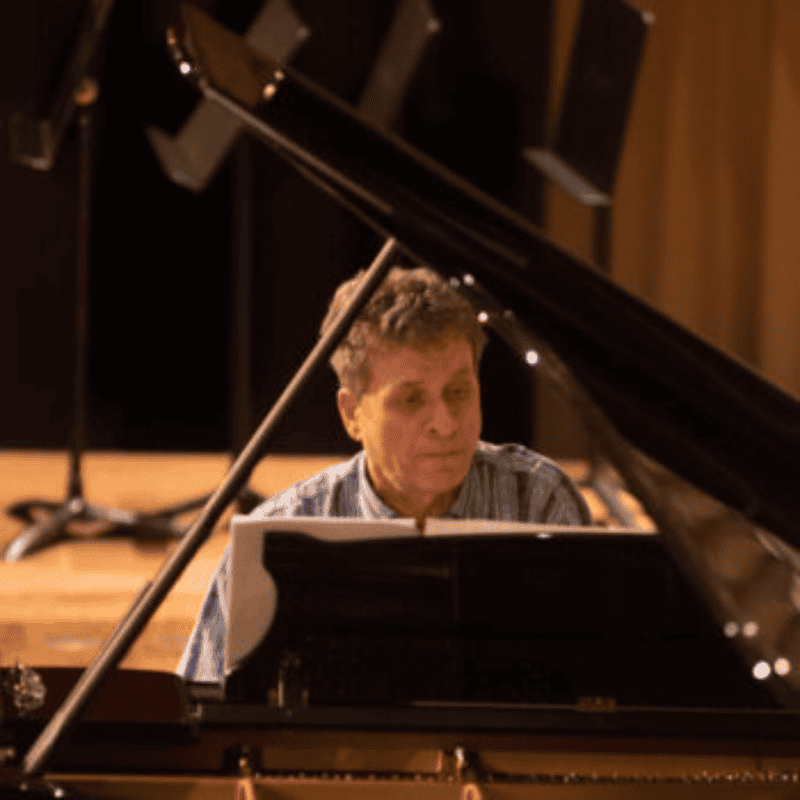
Randall Hodgkinson
Pianist
Randall Hodgkinson is the Grand Prize Winner of the International American Music Competition sponsored by Carnegie Hall and the Rockefeller Foundation. He’s performed with orchestras in Atlanta, Philadelphia, Buffalo, Boston, Cleveland and abroad in Italy and Iceland. In addition, he has performed numerous recital programs spanning the repertoire from J.S. Bach to Donald Martino. He is the newest member of the Worcester Chamber Music Society, and he performs the four-hand and two-piano repertoire with his wife Leslie Amper. Mr. Hodgkinson’s festival appearances include Blue Hill (Maine), BargeMusic, Chestnut Hill Concerts (Madison, Connecticut), Seattle Chamber Music Festival, and Santa Fe Chamber Music Festival. Recently, Mr. Hodgkinson gave the world premiere of the Piano Concerto by Gardner Read at the Eastman School in Rochester. He’s a faculty member of the New England Conservatory of Music in Boston and the Longy School of Music in Cambridge.
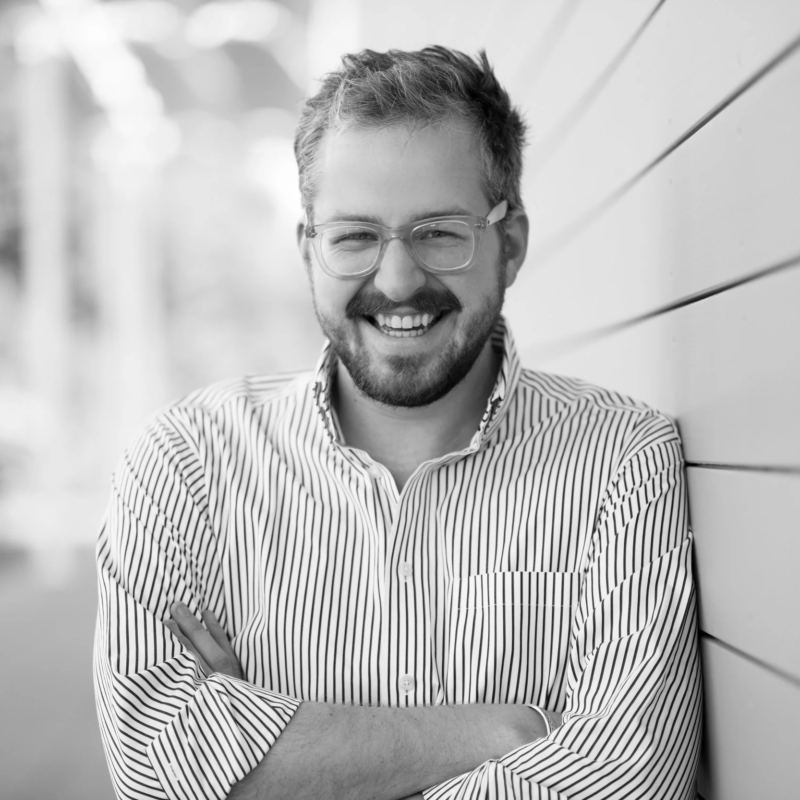
Sam Kelder
Guest Artist: Viola
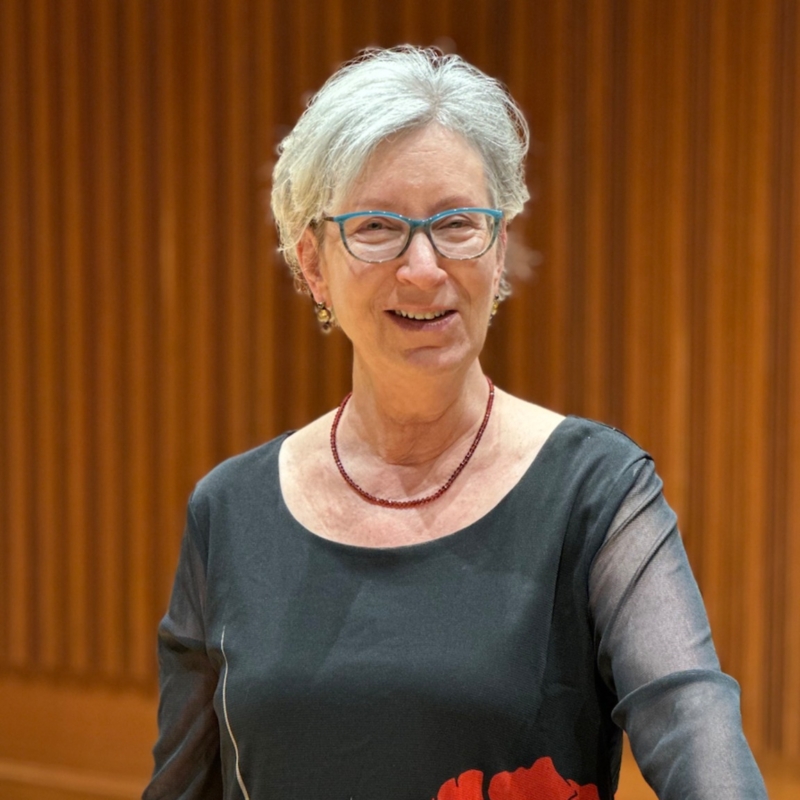
Tracy Kraus
Guest Artist: Flute
Mechanics Hall
321 Main Street Worcester, MA 01608
Mechanics Hall, built in 1857, is a four-story structure that remains an incredible venue for live music. Renowned for its acoustics, it is located in downtown Worcester just blocks away from Route 290.
SEATING
Seating in the floor level of the Great Hall is accessible via elevator, by the Waldo St. entrance to the building. The balcony is not accessible by elevator. Read more about accessibility here.
We suggest parties with small children sit in our side balconies whenever possible, as they provide the best view for small children who may not have a clear view from the flat seating on the floor level.
Balcony seating has less leg room. If you’re a taller patron, we recommend floor seating or choosing an aisle seat in the balcony section.
PARKING
The closest parking garage is Pearl Elm Garage (20 Pearl St.) Music Worcester offers free parking for Mechanics Hall presentations – read more here. There is also on-street parking on neighboring streets.
Woven Strands
On May 7, 1747, Johann Sebastian Bach arrived at the palace of Frederick the Great in Potsdam, where his son Carl Philipp Emanuel was employed as harpsichordist. Frederick, himself a flutist and musical connoisseur, summoned a travel-weary “old Bach” to come and play the fortepianos at the court and to show off his legendary mastery of improvisation.
As the story goes, Frederick provided the composer with an enigmatic, chromatic theme and challenged him to improvise two- and three-voice fugues. The royal theme – which you hear many times this evening – is so resistant to contrapuntal treatment that it might have been deliberately designed to confound Bach: winding and complex, it defies straightforward harmonization. To the amazement of the court, Bach rose to the challenge and extemporized the fugues. Frederick then challenged him to the superhuman feat of improvising a six-voice fugue. Bach here demurred and chose another subject on which he indeed improvised a six-voice fugue, nonetheless to the amazement of the court.
On his return to Leipzig, Bach wrote a collection of music exploring the possibilities of Frederick’s theme. He engraved his Musicalisches Opfer (Musical Offering) and sent it to Potsdam with a dedication to the king. Together with The Art of the Fugue, it is one of the great monuments of counterpoint. He uses the chromatic theme as the subject of fugues (ricercari) in three and six voices, for an ingenious set of canons, and woven into movements of one of the era’s greatest trio sonatas.
With the exception of the trio sonata, which is for flute, violin and continuo, the instrumentation of the Musical Offering is unspecified. It’s up to the performers to figure out from Bach’s hints how the canonic line will repeat against itself. The canons are cryptic blueprints rather than precise instructions for performance. “Canon” means rule— a rule by which multiple harmonizing lines can be derived from a single notated line. Bach experiments with transposition, inversion (melodies played upside down), retrograde (melodies played backwards), and augmentation (melodies played in longer rhythmic values).
The four-movement trio sonata was a more practical contribution to the chamber music of the time. This portion of the works is proof that, in Bach’s hands, lucid musical expression and counterpoint can coexist. Within the larger work, the composer creates tension between musical fashion and history. Even the older title ricercar was a deliberate nod to the cerebral, arcane nature of the larger work.
We end with the mighty six-voice Ricercar, a masterwork even among Bach fugues. Six-part polyphony was common in Renaissance music, but such rich contrapuntal texture had become rare, and had never been shot through with such magnificent extremes of baroque chromaticism.
As a nod to the creativity possibility of Bach’s score, we weave tonight’s concert through with other great keyboard works of Bach tonight as a refresher to the palate: Woven Strands, our own Musical Offering. We take up Bach’s invitation to interpret and delight in this endlessly imaginative work. As the caption to one of the canons reads, Quaerando invenietis—“seek and ye shall find.”
– Program Notes by Ariana Falk