
March 20 8:00 pm
Part of Bach’s Birthday Bash Weekend
The Sebastians are a period instrument ensemble that perform music of the Classical and Baroque eras, recognized by The New York Times as “sharp edged and engaging” and praised by I Care If You Listen for their “beautifully-nuanced playing and thoughtful expressivity”. Their self-directed performances are as engaging as they are pristine, performing works such as St. Matthew Passion with expertise.
These six concertos are among the most well known concertos that survive from the Baroque Era. Headlining Bach’s Birthday Bash, the orchestra performs the six Brandenburg Concertos (or as they were originally named, Concerts avec plusieurs Instruments) with its four core members as soloists.



Brandenburg Concertos
BWV 1046-1051
Concerto No. 1 in F Major
Concerto No. 6 in B-flat Major
Concerto No. 2 in F Major
Concerto No. 3 in G Major
Concerto No. 5 in D Major
Concerto No. 4 in G Major
Originally named Concerts avec plusieurs Instruments, the Brandenburg Concertos are among the most well known concertos that survive from the Baroque Era. They were dedicated to the Margrave of Brandenburg, and it is thought that these works were requested because of Bach’s compositional talent and his attention to individualizing each instrument’s place within a work.
Each of the six concertos has a different personality. For example, Concerto no. 4 is extremely delicate in both instrumentation and scoring; Concerto no. 1 is compositionally different in structure, highlights contrast in thematic material, features humor(!) in the writing for certain instruments.
Please note: program, venue, time, and artist are subject to change.
Bach's Birthday Bash Weekend Program
Artists
Soloists
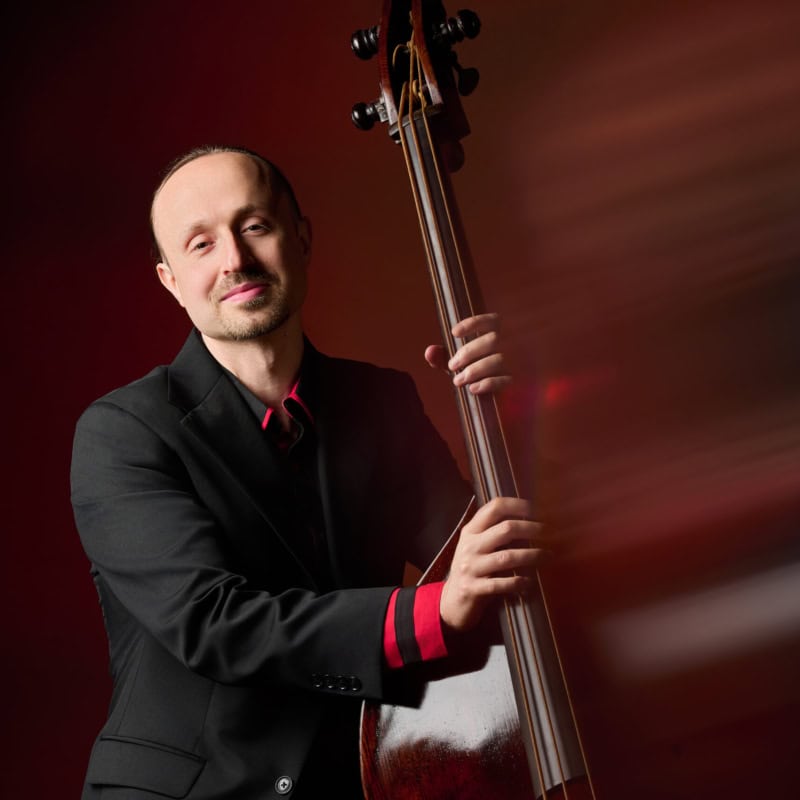
Nathaniel Chase
Double Bass, Violone
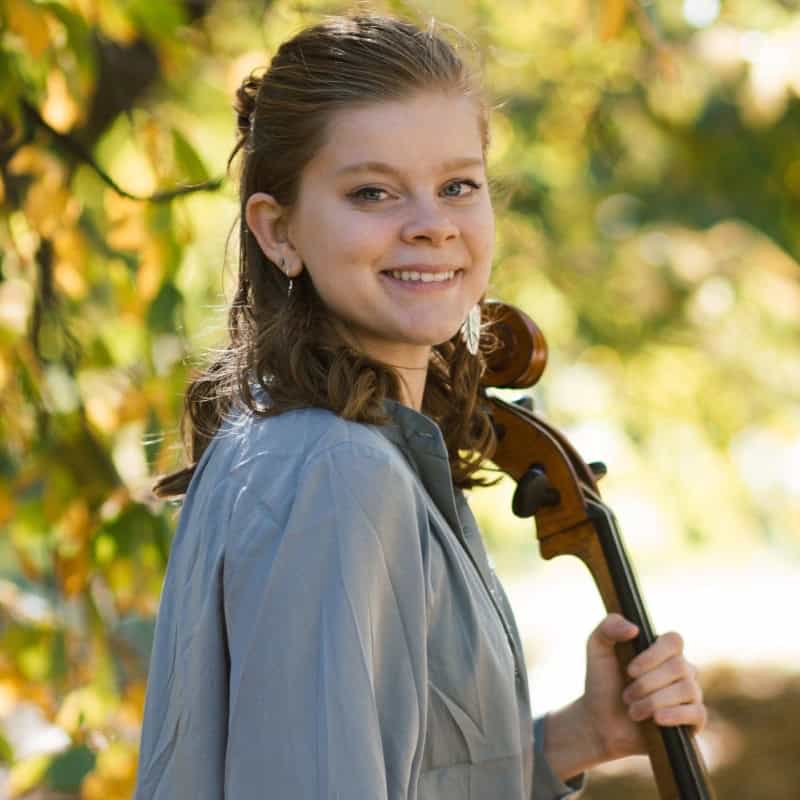
Adrienne Hyde
Cello, Viola da Gamba
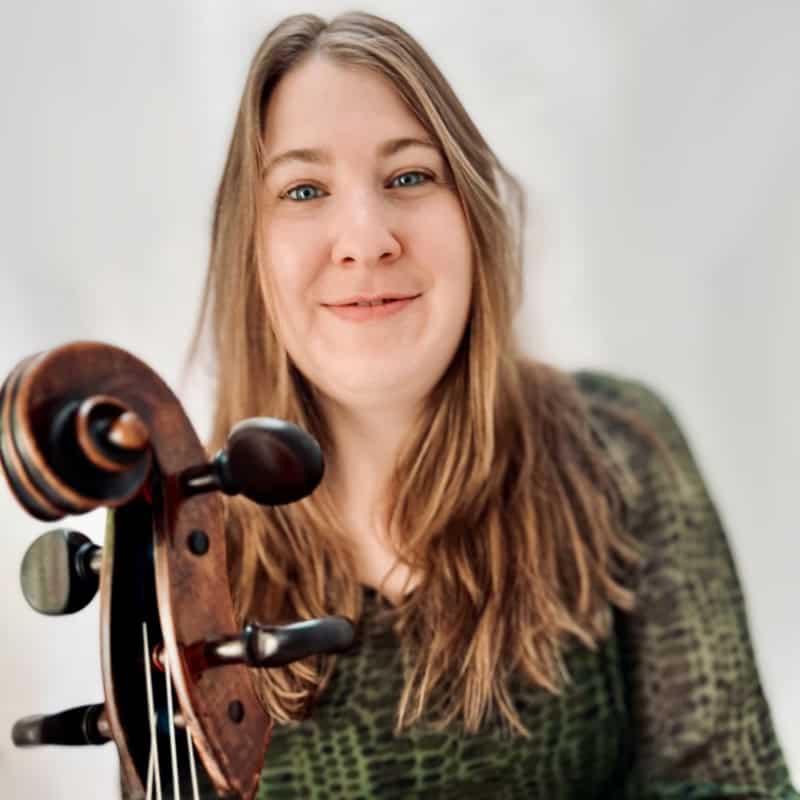
Sarah Stone
Cello, Viola da Gamba
Alissa Smith
Viola
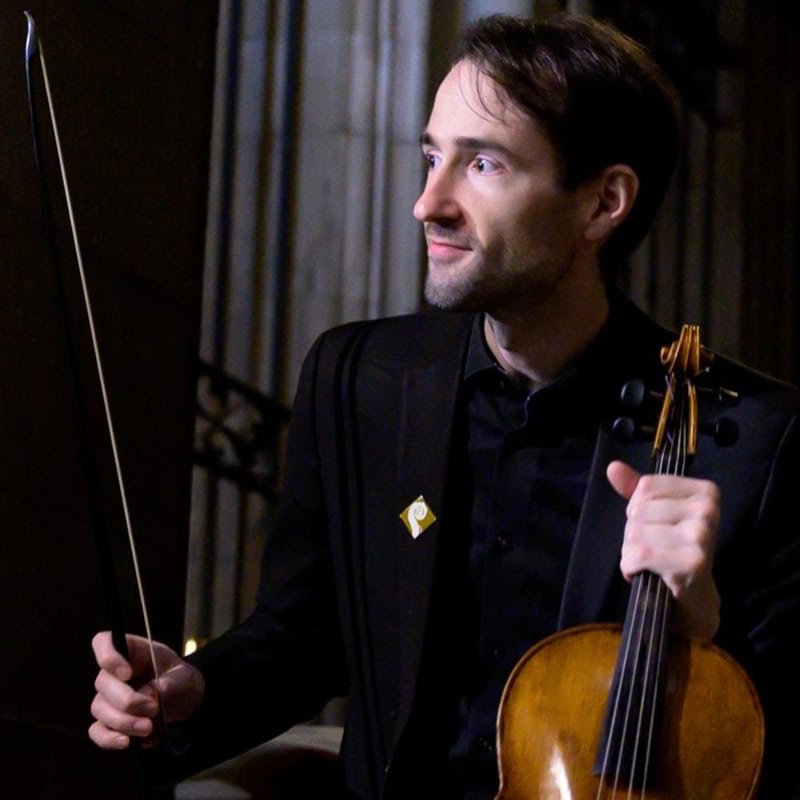
Kyle Miller
Viola
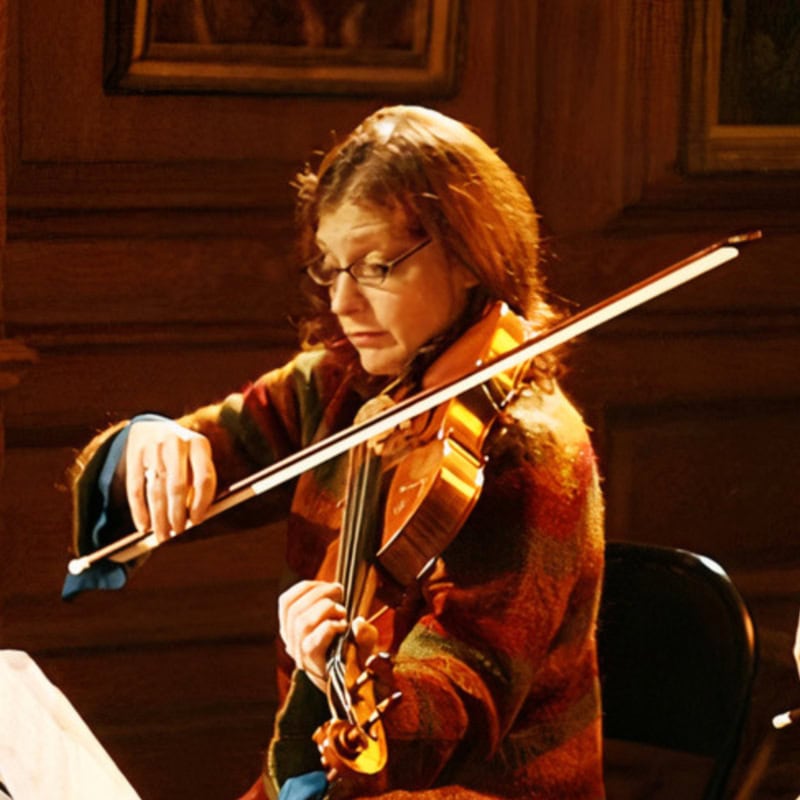
Jessica Troy
Viola
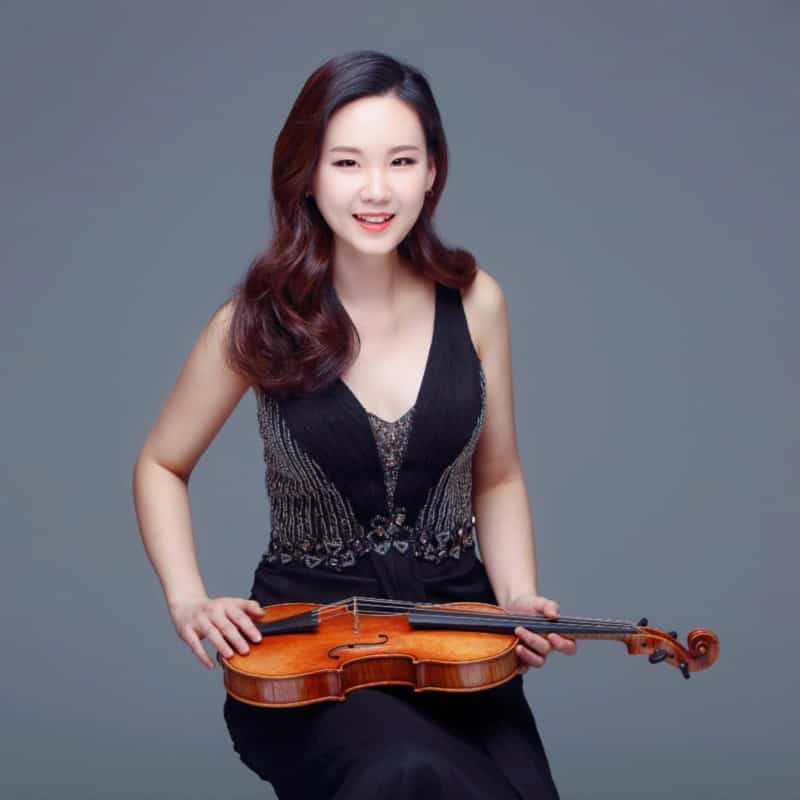
Isabelle Seula Lee
Violin
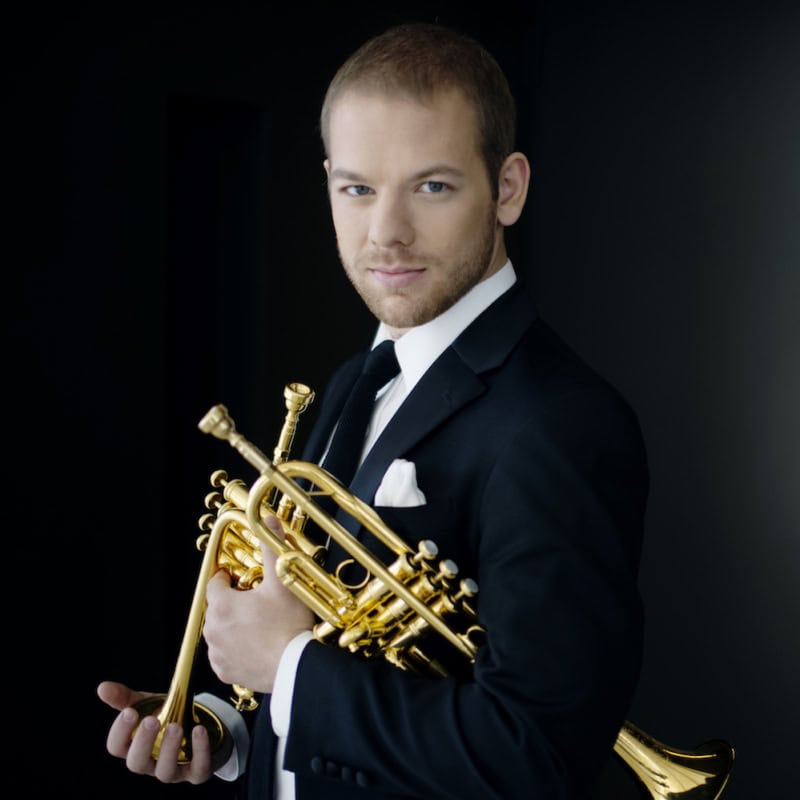
Caleb Hudson
Trumpet
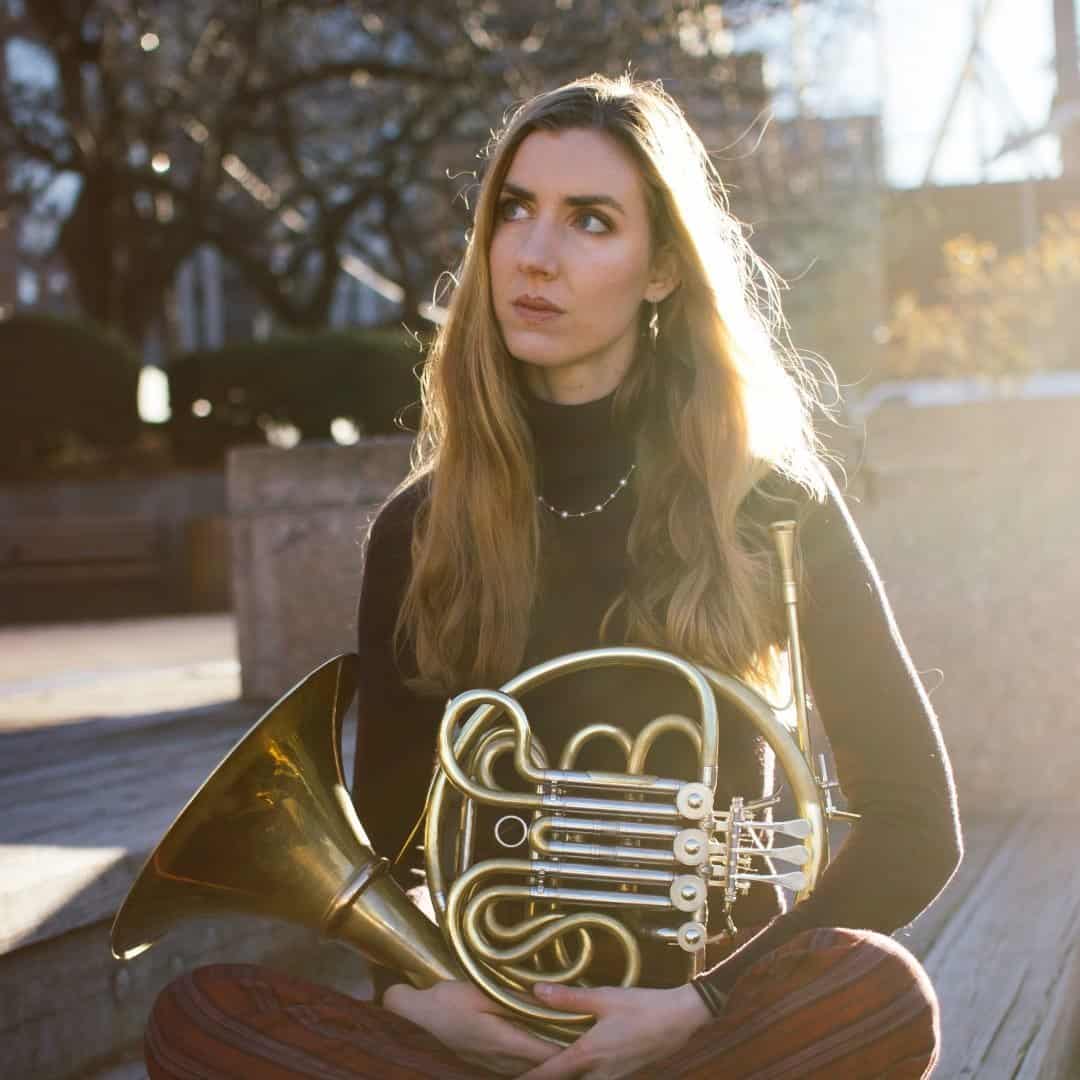
Megan Hurley
Horn
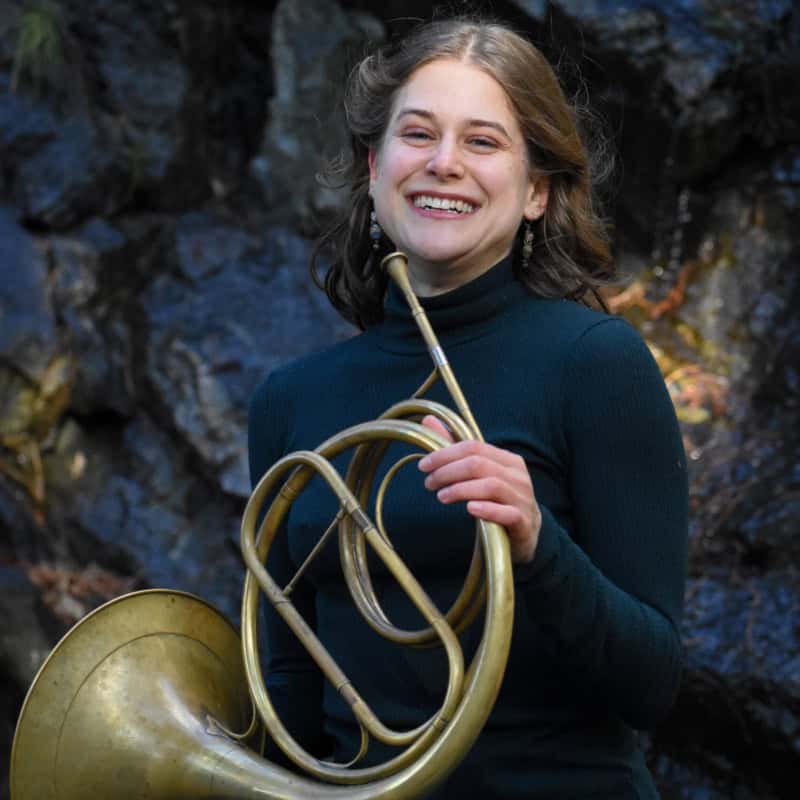
Rachel Nierenberg
Horn
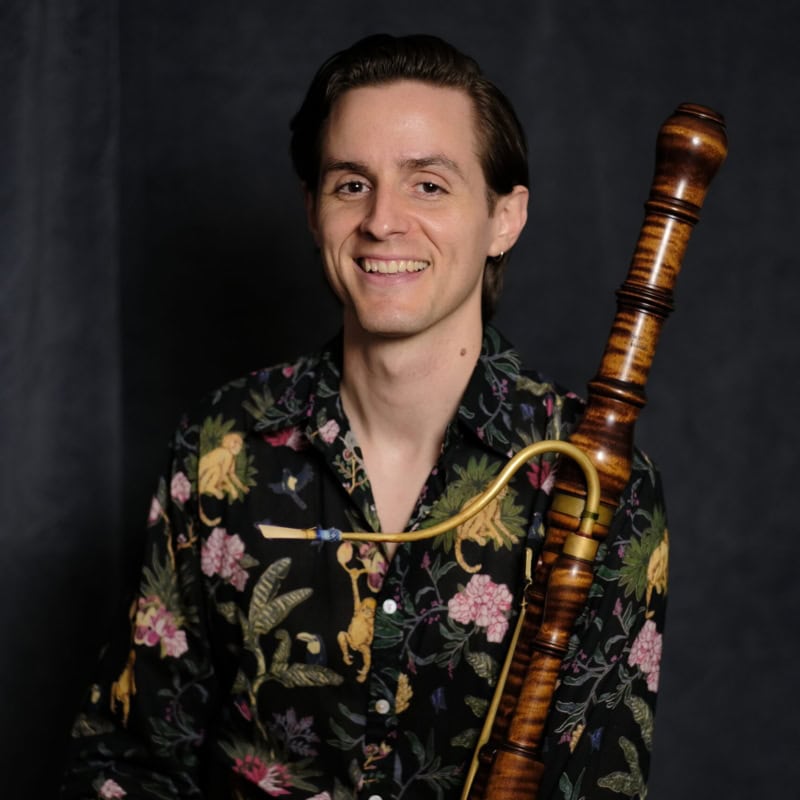
Ben Matus
Bassoon
Gaia Saetermoe-Howard
Oboe, Recorder
David Dickey
Oboe, Recorder
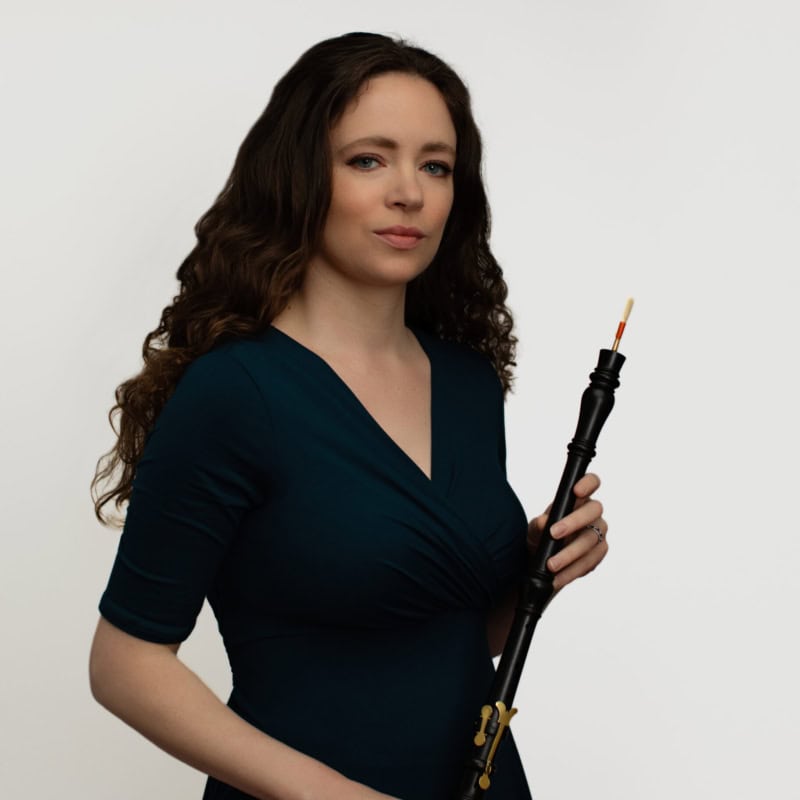
Priscilla Herreid
Oboe, Recorder
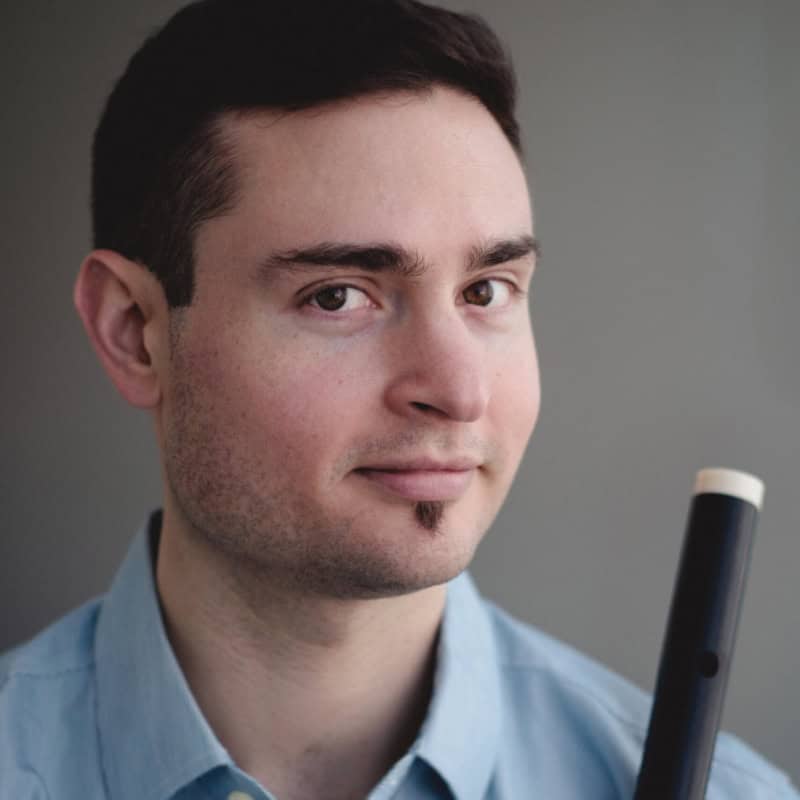
David Ross
Flute
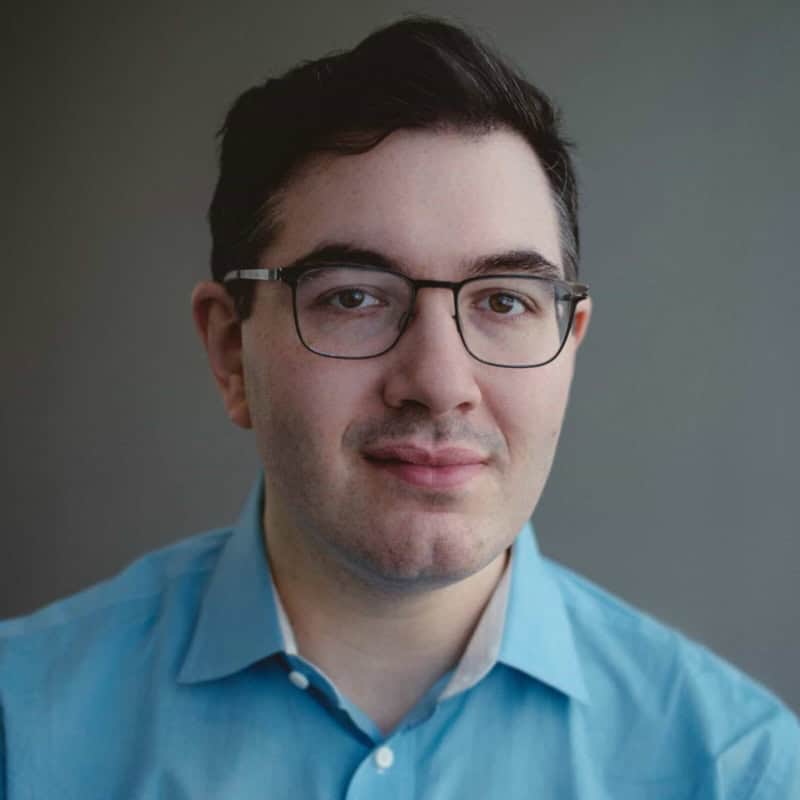
Jeffrey Grossman
Keyboardist and conductor Jeffrey Grossman specializes in vital, engaging performances of music of the past, through processes that are intensely collaborative and historically informed. As the artistic director of the acclaimed baroque ensemble the Sebastians, in recent seasons Jeffrey directed concerts including Bach’s St. John and St. Matthew Passions and Handel’s Messiah from the organ and harpsichord, in collaboration with TENET Vocal Artists. Jeffrey is a frequent performer with TENET, the Green Mountain Project, the Saint Paul Chamber Orchestra, and numerous other ensembles across the country. He was musical director for the 2019 Boston Early Music Festival Young Artists Training Program, where he conducted Handel’s Orlando from the harpsichord. For thirteen seasons, he toured portions of the rural United States with artists of the Piatigorsky Foundation, performing outreach concerts to underserved communities. Jeffrey can be heard on the Avie, Gothic, Naxos, Albany, Soundspells, Métier, and MSR Classics record labels. A native of Detroit, Michigan, he holds degrees from Harvard College, the Juilliard School, and Carnegie Mellon University. Jeffrey teaches performance practice at Yale University.
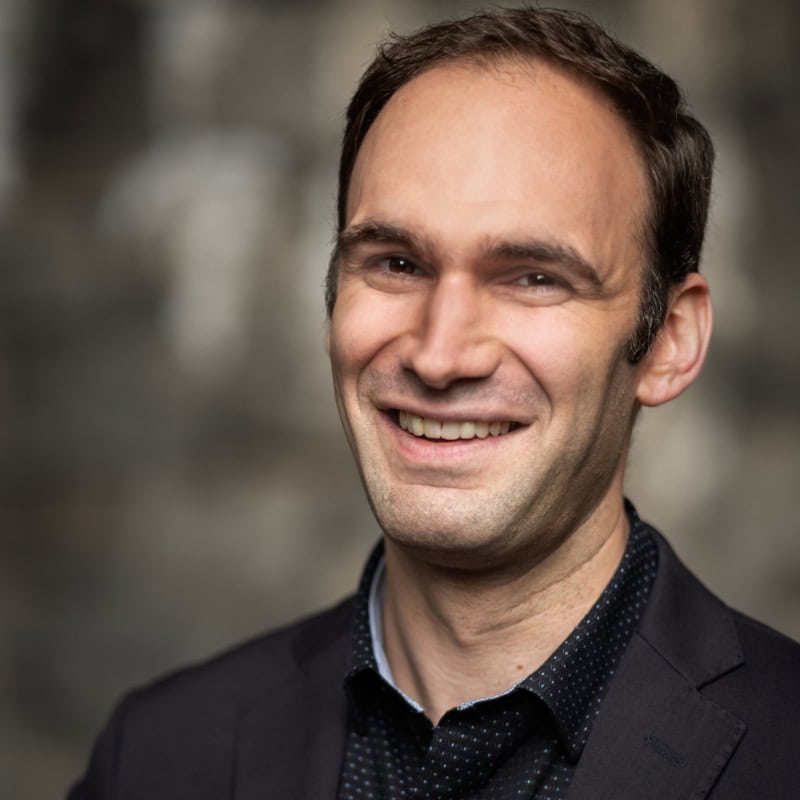
Nicholas DiEugenio
Praised as an “excellent” and “evocative” violinist (The New York Times), Nicholas DiEugenio leads a versatile performing life as a chamber musician, leader, and soloist in music ranging from early baroque to current commissions. Together with pianist Mimi Solomon, Nicholas has recorded the albums Into the Silence (2017) and Unraveling Beethoven (2018) on the New Focus label. His award-winning recording of the complete Schumann violin sonatas with fortepiano is available on the Musica Omnia label. Regarded as an inspiring teacher, Nicholas is currently Assistant Professor of Violin at UNC Chapel Hill. Nicholas holds degrees from the Cleveland Institute of Music (B.M, M.M) and the Yale School of Music (D.M.A., A.D.). As a core member of the Sebastians, Nicholas performs on a violin made by Karl Dennis in 2011, and also on a 1734 violin made by Dom Nicolo Amati.
Ezra Seltzer
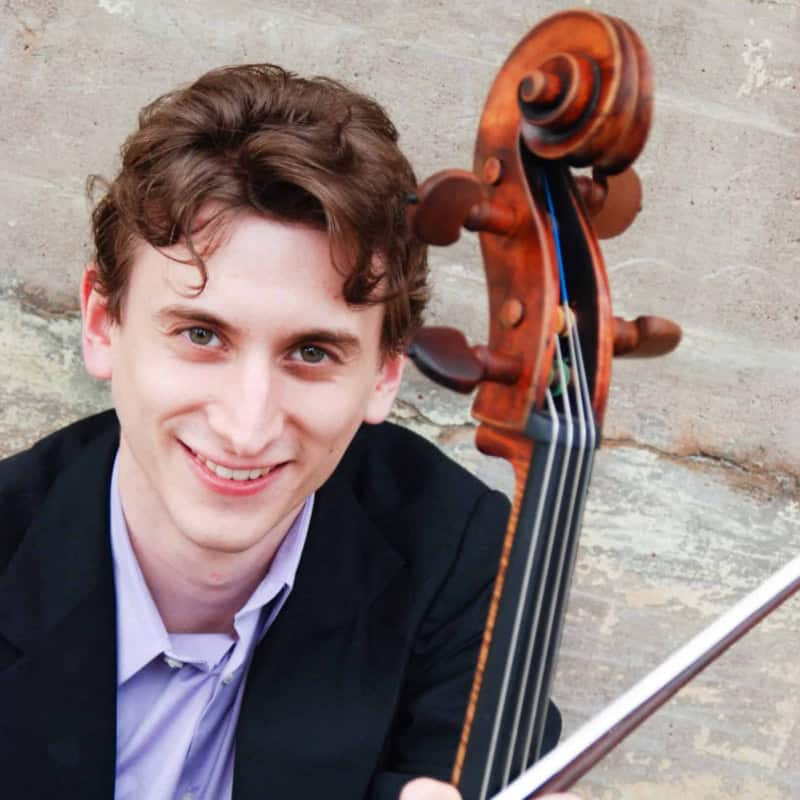
Hailed for his “scampering virtuosity” (American Record Guide) and “superb” playing (The New York Times), cellist Ezra Seltzer is the principal cellist of the Trinity Baroque Orchestra, New York Baroque Incorporated, and Early Music New York and a founding member of the Sebastians. He has frequently appeared as guest principal cellist of Musica Angelica and the St. Paul Chamber Orchestra, where he earned praise for his “delicate elegance and rambunctious spirit” (Twin Cities Pioneer Press) in performances of all six Brandenburg Concertos. Other performances with the SPCO include Handel’s Messiah with Jonathan Cohen and J.S. Bach’s St. Matthew Passion with Paul McCreesh. With Musica Angelica, he appeared in performances of J.S. Bach’s St. John Passion in Walt Disney Concert Hall with the Los Angeles Master Chorale, and also performed in an international tour with soprano Emma Kirkby and countertenor Daniel Taylor. This summer he will be the associate principal cellist at the Carmel Bach Festival and will also appear as a soloist with Apollo’s Fire in concerts in Cleveland and New York. He attended Yale University, where he received his Bachelor of Arts in history and Master of Music in cello, and graduated from the inaugural class of Juilliard’s historical performance program.
Daniel Lee
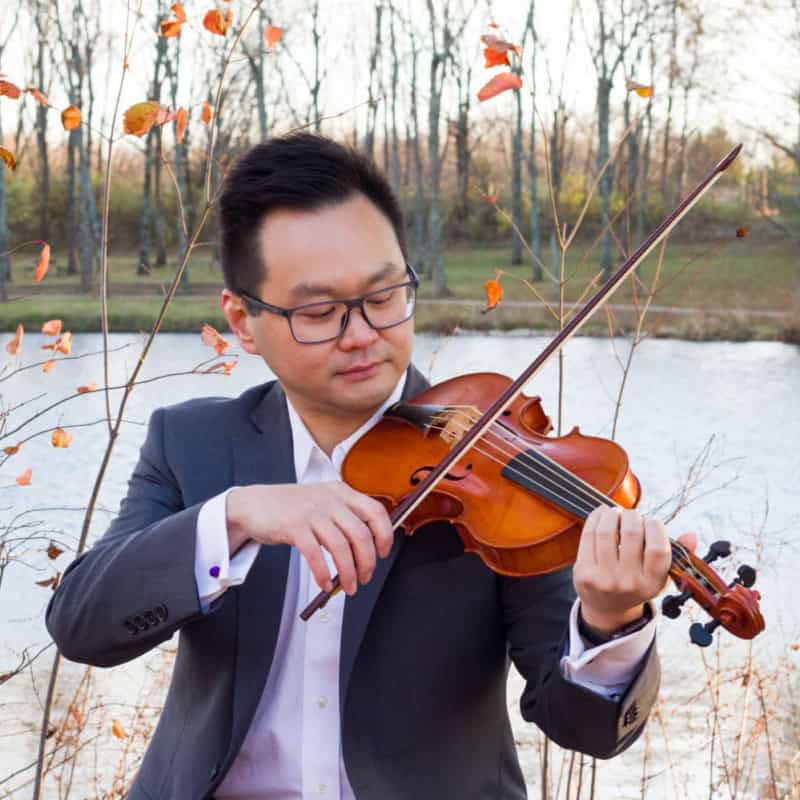
Praised for his “ravishing vehemence” and “soulful performance” (The New York Times), violinist Daniel S. Lee has appeared as a soloist and leader with Early Music New York, Freiburg Baroque Orchestra, Quodlibet Ensemble, and Yale Schola Cantorum, among others. He is the founding director of the critically-acclaimed period ensemble, the Sebastians. He has given lectures and masterclasses at Connecticut College, Manhattan School of Music, Purchase College (SUNY), University of Kansas, and UNC Chapel Hill. He is currently on the faculty at Yale School of Music.
The Sebastians
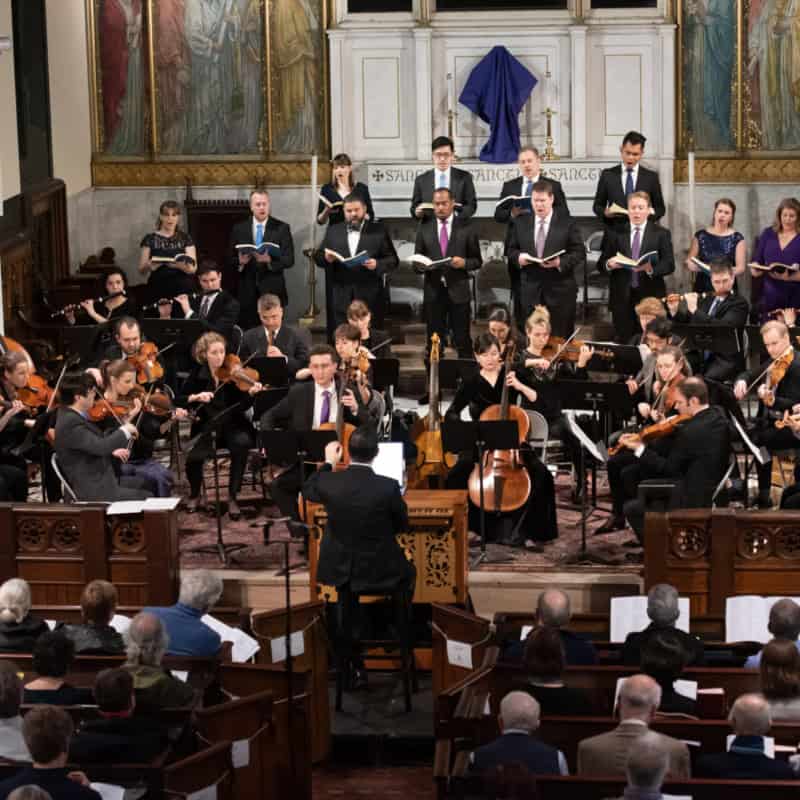
The Sebastians are a dynamic and vital musical ensemble specializing in music of the baroque and classical eras. Lauded as “everywhere sharp-edged and engaging” (The New York Times), the Sebastians have also been praised for their “well-thought-out articulation and phrasing” (Early Music Review) and “elegant string playing… immaculate in tuning and balance” (Early Music Today).
Their 2018 unconducted St. Matthew Passion with TENET Vocal Artists was called “shattering” and “a performance of uncommon naturalness and transparency” (The New York Times).
Known for their passionate and historically informed performances, the Sebastians have appeared at major festivals and series across the country, including the Princeton Festival, Emerald City Music, Gretna Music Festival, Early Music at Saint James, Music Before 1800, and the Yale Collection of Musical Instruments. Other notable appearances include performances at Trinity Wall Street’s Twelfth Night Festival and Concerts@One series, Early Music in Columbus, the Renaissance and Baroque Society of Pittsburgh, the Academy of Early Music, and Houston Early Music. Their dedication to engaging performances has brought them to audiences in intimate chamber settings as well as larger-scale productions of baroque masterworks.
Recent seasons have included dozens of innovative programs, including collaborations with poets, choreographers, and actors; a musical installation in the Cathedral of St. John the Divine; explorations of musical “immigration” and nationalism; and major works of J.S. Bach. Future plans include a one-per-part Bach Mass in B Minor, collaborations with drag artists and projection designers, educational programs for young musicians, and new video productions—building on the success of their 2018 video of Vivaldi’s La folia, which has garnered over 211,000 views.
Mechanics Hall
321 Main Street Worcester, MA 01608
Mechanics Hall, built in 1857, is a four-story structure that remains an incredible venue for live music. Renowned for its acoustics, it is located in downtown Worcester just blocks away from Route 290.
SEATING
Seating in the floor level of the Great Hall is accessible via elevator, by the Waldo St. entrance to the building. The balcony is not accessible by elevator. Read more about accessibility here.
We suggest parties with small children sit in our side balconies whenever possible, as they provide the best view for small children who may not have a clear view from the flat seating on the floor level.
Balcony seating has less leg room. If you’re a taller patron, we recommend floor seating or choosing an aisle seat in the balcony section.
PARKING
The closest parking garage is Pearl Elm Garage (20 Pearl St.) Music Worcester offers free parking for Mechanics Hall presentations – read more here. There is also on-street parking on neighboring streets.
321 Main Street
321 Main Street, Worcester, MA 01608, USA
Italian Influence & Ritornello Form
The Italian word concerto comes from concertare, “to harmonize or work together” and also “to debate or dispute.” In fact, the musical form seems to embody both definitions—an ensemble joining together inevitably creates both harmonious musical discussion and friendly arguments!
The earliest pieces called concerti, from around 1580, were sacred works for singers and instrumentalists in which the instruments had independent parts, rather than just doubling the voices. By the late 1600s, a few types of concerto for instruments alone emerged in Italy, and the Roman type became particularly influential. In a Roman concerto, a core solo group (the “concertino”) of two violins, cello, and continuo is complemented by a larger group of string players (the “ripieno”).
As the musical form of the concerto diverged from the trio sonata, composers drew stronger lines between the music for the soloists and the music for the rest of the orchestra. Though Corelli, Torelli, and Albinoni published important collections of concerti first, it was Antonio Vivaldi’s collection L’estro armonico in 1711 that presented the clearest model for many composers—including Bach.
In a “Vivaldian concerto,” a repeating block of music we call the ritornello (“little return”) is played by the whole ensemble. After the first statement of the ritornello, the soloist(s) perform an “episode” which develops different musical ideas, modulates to new harmonic areas, and generally allows them to show off—followed by the memorable ritornello. This alternation (episode–ritornello) returns in different keys as many times as the composer desires. The ritornello is a structural guidepost throughout the movement, while the episodes allow infinite variety.
Johann Sebastian Bach studied and made keyboard arrangements of many Italian concerti, including quite a few of Vivaldi’s. As you will hear, the Brandenburg Concerti are particularly special examples of how Bach absorbed the concerto and ritornello forms and adapted them to his particular tastes.
The Brandenburg Concertos
In 1721, Johann Sebastian Bach sent a score with six concerti and an obsequious dedication to the Margrave of Brandenburg. We can deduce that some of the pieces were arrangements of older pieces Bach had written—for example, Brandenburg 4 seems to have started its life as a harpsichord concerto, rather than a violin showstopper—but Bach’s exact thoughts remain lost to time. It seems likely that Bach was attempting to get a better job (his current boss’s new wife was reportedly disinterested in music), but at least as far as we can tell, nothing came of this. Perhaps the margrave thanked Bach, perhaps he had the works performed, but there is no surviving evidence that he paid any attention at all to the offering.
It’s possible, therefore, that most of these masterpieces sat largely unperformed for over a century, at which point they were rediscovered in the library of a Prussian princess in the mid-1800s, but still not widely known until twentieth-century recordings helped popularize them—a full 200 years after they were first offered to the margrave!
Those Six Concerts avec plusieurs Instruments (“for several instruments,” as Bach labeled them) are of course known today as the beloved Brandenburg Concerti. As you can hear, Bach approached the concerto form with the same care and rigor he brought to every genre he tackled—not content to dabble, he dove in and excavated the form, pushing color, texture, melody, and harmony to the extremities of the time. We’re thrilled to be performing the complete set for you today.
Each of the concerti you hear tonight is for a different combination of instruments—specified by Bach in precisely the way we have earlier in this program (though Bach uses Italian). Bach also takes a daring and unique approach to the form of each concerto; they are truly one-of-a-kind in structure and design. Compare the Brandenburgs to any of Bach’s other “sets” of works—the Orchestral Suites or the violin concerti, for instance—and you can see how remarkably varied and unique these concerti are. While Bach probably never imagined they would be performed in one sitting, they make a strong case for themselves, one after another!
Brandenburg 1 features the largest ensemble you’ll hear tonight, including hunting horns—an unusual addition! Bach balances the horns with several winds (the only appearance of a bassoon) and a violino piccolo, tuned a third higher than the other violins. It isn’t clear what Bach’s intention was with the piccolo violin—it receives almost no solo treatment in the first movement—but in the third movement, the piccolo violin has a chance at the spotlight. This movement should be the end of the concerto, except Bach has “borrowed” from the French tradition with a fourth movement containing a dance suite! This dance suite is itself an international compendium: a French menuet, a trio in the style of Lully, a Polish “polacca,” and a raucous German hunting trio. It’s bizarre for a concerto to conclude with a sequence of dances, but far be it from us to question Bach!
Brandenburg 6, written for six musical voices (Bach loved the symbolism of numbers), is also unique in its solo instruments: two violas “of the arm” (normal violas), two violas “of the leg” (violas da gamba, uncommon and antiquated by Bach’s time), and a cello.
Bach’s title for the concerto makes it clear that he considers all five of those instruments soloists, but the composition points to the violas and cello as the true stars—the older viol family takes a backseat to the action as the piece progresses, fully sitting out the gorgeous second movement. A concerto with no violins is very unusual—at this time in Germany, violas and cellos usually played relatively simple, accompanimental parts; violas da gamba, if they appeared at all, were given more special treatment, in the spotlight. In Brandenburg 6, Bach turns this whole structure upside down.
The most diverse solo group is found in Brandenburg 2—oboe, recorder, violin, and trumpet—and all the important musical material is given to these soloists, to such a degree that scholar Michael Marissen points out the piece could be performed with just soloists and continuo. The solo instruments are also treated equally, despite how different they are in sound production and technique. In decades past, modern groups attempting to realize the impossibly virtuosic trumpet solo have tried replacing it with everything from clarinet to the sopranino saxophone, but as we hear tonight, there is nothing like a natural trumpet.
After the intimate second movement—even Bach must have realized the trumpet needs a break—the exhilarating third movement, a compact fugue, bursts out into the sunshine, for a truly joyous end to this most compact of the Brandenburgs. NASA chose this movement to ride into space on the Voyager Golden Record in 1977—currently about 15 billion miles from Earth.
Brandenburg 3 features three groups of three solo instruments—another example of numerical symmetry. Like Brandenburg 6, nearly every player is a soloist, and Bach divvies up the musical material quite equally, delighting in passing short musical motives and longer solo material from player to player. Perhaps Brandenburg 3’s most unique element is its slow “movement,” which Bach notates as only two chords for the whole orchestra. In such a unified concerto, it seems a bit out of character for anyone (the first violinist? the harpsichordist?) to leap into the spotlight with an improvised cadenza, but perhaps that’s what Bach intended. Another theory is that this is a moment of reflection by the unified ensemble. The last movement of Brandenburg 3 is the only Brandenburg movement in binary (AABB) dance form—a rollicking gigue.
Brandenburg 5 is the most historically important of the Brandenburgs, as it heralds the first appearance of the harpsichord as true concerto soloist, a genre that would become a favorite for centuries. The trio of soloists also includes a transverse flute—a recent arrival from France—and a solo violin. Brandenburg 5 begins like a typical Vivaldian-style concerto with episodes featuring the soloists alternating with a short, characterful ritornello. Near the end of the movement, we take a strange turn and the harpsichord is suddenly left completely alone. Though Bach’s contemporaries had begun to write solo moments without accompaniment (we now call them cadenzas), they were usually unrelated to the main music of the movement. Bach, however, manages to combine brilliant embellishments with musical material he had already introduced—though like any good improv solo, the cadenza eventually devolves into 18th-century rock music.
The opening movement of Brandenburg 4 has a famously long ritornello—eighty-three measures long! It’s also the only concerto where all the instruments play in every movement. Is this a solo violin concerto with recorders and strings, or are the violins and recorders a trio concertino group? This dichotomy, perhaps important to modern performers and audiences, would likely have presented no problem to Bach—these concerti were likely performed one-to-a-part, as we are doing today. And while the violin part is the virtuosic showstopper, the recorders carry as much thematic material throughout the piece. It seems Bach, as always, is playing with form, always reinventing. Indeed, the concerto’s finale—my personal favorite—is also a play on form, a remarkable mash-up of ritornello form with another of Bach’s favorites, the fugue. Scholar Malcolm Boyd calls it “probably the tightest and most satisfying convergence of ritornello form and fugue in all Bach’s music.”
Whether or not you remember any of these delightful facts, historical anecdotes, or scholarly analyses, I hope the exhilarating virtuosity of Bach (and of our fine musicians) speaks for itself, offering you a glimpse of something vast: dissonance and conversation and beauty to carry with you—or carry you outside of yourself—for a few wondrous hours.
— Jeffrey Grossman