
March 4, 2027 7:30 pm
Tickets
RESERVED SEATING
$79-$44
Use code MUSICWORCESTER for access
Ballet Hispánico New York is a trailblazer in the world of dance, redefining the art form through a bold fusion of innovation and cultural authenticity. Now in its 56th anniversary season, the organization is the largest Latine performing arts institution in the U.S.
CARMEN.maquia is a striking reinterpretation of Bizet’s opera through contemporary dance and modernist design. Choreographed by Gustavo Ramírez Sansano, this production sheds the opera’s familiar tropes to reveal Carmen as a symbol of autonomy and raw human emotion. Set against a minimalist, Picasso-inspired backdrop, the work blends ballet, flamenco, and contemporary movement into a powerful meditation on identity, passion, and defiance.
One of today’s most sought-after choreographers, Sansano’s quintessential ballet invigorates this timeless tale with an unrelenting energy that leaves you breathless. Highly original and full of explosive movement, CARMEN.maquia is a bold reimagining of this tragic tale.
Please note: program, venue, time, and artist are subject to change.
You might also like…
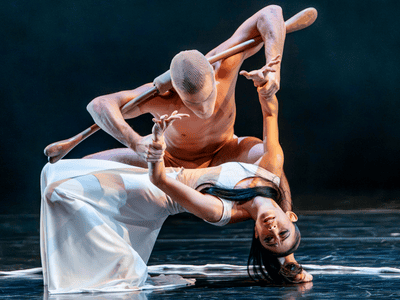
Martha Graham Dance Company A Co-Presentation with The Hanover Theatre & Conservatory
April 24, 2027 7:30 pm



CARMEN.maquia Synopsis
Prelude
A solitary figure emerges in silence. It’s Don José. Imprisoned in both body and soul, he relives the aftermath of a fatal passion. As he paces the dim cell of his conscience, Carmen appears—not in flesh, but in memory, in ache. The past is inescapable.
Act I
The Factory Floor
Outside the cigarette factory, the Cigarreras spill into the light, their chatter mixing with the haze of tobacco and fatigue. Guards linger, dozing and joking. Don José arrives, a figure of rigid order, shattering their ease. A soldier among dancers.
The Habanera
A changing of the guard—and the air shifts. Carmen, irresistible and indifferent, catches sight of Don José. She dances. What begins as flirtation becomes doctrine: her creed of freedom, love without chains. The onlookers are caught in her gravity. So is he.
The Letter
Micaela arrives—prim, dutiful, and bearing a letter from Don José’s mother. The contents call him home, to honor, to marriage, to a quieter fate. He reads, torn between the woman he was promised and the woman he cannot forget.
The Fracture
Tensions boil over within the factory walls. A violent altercation erupts—Carmen at its center. Though the fault is unclear, she is blamed. Don José, following protocol, arrests her. But on the road to jail, seduction triumphs over duty. She escapes. He is punished.
The Cell
Now incarcerated, Don José slips into visions. Carmen multiplies around him, dancing through his fevered imagination.
The Streets
Carmen and her friends stroll through town, trailed by desire. Soldiers vie for her attention, she creates a tornado of arguments, gossip and debauchery. But her mind drifts to Don José and the handkerchief she stole from him. She fingers his handkerchief and admits—perhaps, against instinct—that she may have loved him.
The Arrival
Escamillo, the celebrated toreador, makes a triumphant entrance. The crowd swells with admiration—Carmen included. Their flirtation is theatrical but layered with curiosity. He leaves; confident she will follow. She stays, uncertain if she already belongs to someone else.
The Return
Don José is freed. Carmen runs to him. For a moment, all is bliss. But when military orders intrude, Don José hesitates. Carmen is incensed. She demands devotion without question. He abandons duty—for her.
Act II
The Mountains
Micaela ventures into the mountains in search of Don José. She finds him amidst a band of gypsies—Carmen among them. Escamillo returns and resumes his courtship. Carmen yields, if only for a moment. Don José watches. Something breaks.
The Cards
The Cigarerras sit in a loose circle, giggling as they pull cards and tell one another’s fortunes. Then Carmen arrives. She says nothing—only lets out a sharp, serpentine hiss. The sound cuts through the air. In an instant, the group scatters. Alone now, Carmen claims the deck. She draws death. Separation. Finality. She shudders but shrugs it off. Her freedom remains a louder voice than fear.
The Duel
Escamillo and Don José cross paths. Tensions rise. Words are thrown like knives. Blows follow. Carmen is the ghost that haunts them both. No victor emerges—only wounded pride.
The Revelation
Micaela finds Don José again. She pleads for a return to the life they planned. But Don José is haunted—by Carmen, his choices, and his undoing. Micaela reveals the final blow: Carmen has chosen Escamillo. The truth ignites something fatal.
The Wedding
Escamillo calls everyone to gather and celebrate his triumphant wedding to Carmen. Joy hums through the crowd. Then, Don José appears. The celebration stills and the atmosphere tightens. Don Jose confronts Carmen. “You are mine,” he says. Carmen stands her ground. “I’ve moved on.” What follows is not a quarrel, but a reckoning. He lunges. She resists. And then—it happens. Carmen falls fatally struck.
What he could not possess, he has destroyed. Love has turned to violence, and desire to ruin.
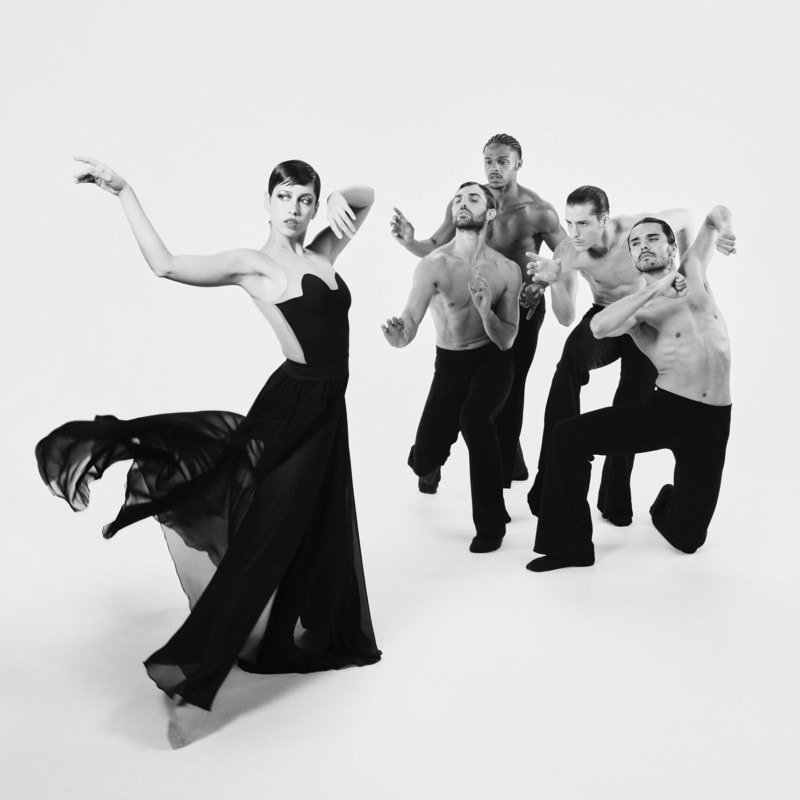
Ballet Hispánico
Ballet Hispánico New York is the nation’s leading Hispanic/Latine dance company and the largest cultural institution of its kind in the United States. For over five decades, it has been a beacon of artistic excellence, celebrated for its bold repertory and exceptional training programs. The Company has commissioned over 100 original works, performed on the world’s most prestigious stages, and inspired generations through performances, education, and community engagement. Recognized as one of America’s Cultural Treasures by the Ford Foundation, Ballet Hispánico New York continues to redefine what it means to be an American dance company.
At the helm is Artistic Director & CEO Eduardo Vilaro, a former Ballet Hispánico dancer and acclaimed choreographer who assumed leadership in 2009. Under his dynamic guidance, the Company has entered a new era—broadening its artistic scope, deepening its repertory, and elevating its distinctive movement language. Vilaro carries forward the founding vision of Tina Ramirez, who launched Ballet Hispánico in 1970 to celebrate the beauty of Latino cultures through dance. The Company has garnered widespread acclaim, with The New York Times noting, “Many companies pay lip service to nurturing talent, but Ballet Hispánico has devoted significant resources and care to cultivating emerging artists.” Today, Ballet Hispánico New York stands not only as a cultural institution, but as a movement—pushing the boundaries of performance while honoring the traditions that shaped its legacy.
The Hanover Theatre
2 Southbridge Street Worcester, MA 01608
The Hanover Theatre for the Performing Arts is a historic performance venue that seats 2,300 patrons. In 2008, The Hanover Theatre won a National Trust for Historic Preservation Award for its renovation and restoration of the original 1904 building built by Thomas Lamb. As one of Worcester’s largest and most active venues, it hosts performances and events a majority of days out of the year and is located in the heart of Worcester’s Theatre District.
SEATING
Accessible seating is clearly marked. There is elevator access to lower/upper lobbies and orchestra/lower balcony seating. There is no elevator to upper balcony seating. Read more about accessibility here.
PARKING
Public parking is available for purchase in the Federal Plaza Garage (save money and book in advance using ParkWhiz), McGrath (Library) Lot, and the Worcester Common Garage. Read more on the City of Worcester’s website, or in our parking section.